 A recent court ruling from the U.S. District Court provides new hope for certain visa applicants previously impacted by the travel ban (Presidential Proclamation 9645, or P.P. 9645), also known as the Muslim Ban.
0 Comments
 Are you looking to get a green card through marriage in 2024? This comprehensive guide covers everything you need to know about the marriage green card process, requirements, and tips from experienced immigration attorneys.
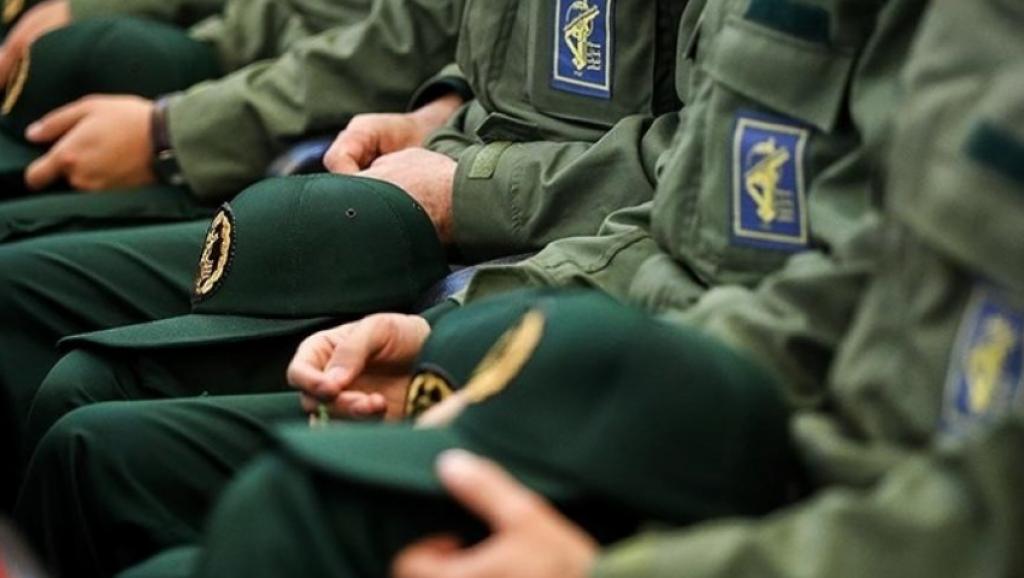 The Islamic Revolutionary Guard Corps (IRGC), also known as Sepah, was designated as a terrorist organization by President Trump in April 2019. This designation carries serious immigration repercussions for Iranian males who did their mandatory military service with IRGC or Sepah. There are some distinctions and options depending on whether you are applying for a U.S. immigrant visa or nonimmigrant visa and whether you are applying from outside the United States at an embassy abroad or whether you are applying for an immigrant benefit from within the United States, such as adjustment of status or citizenship (N-400/Naturalization). This article discusses obstacles and strategies arising from a case involving an IRGC mandatory service.
 Studying in the USA is a dream come true for many students from around the world, including those from Muslim-majority countries. Navigating the complex process of obtaining a student visa can be challenging, especially for those who are not familiar with the American legal system. In this guide, we will provide an overview of the student visa application process for Muslim students and highlight some important considerations to keep in mind.
 If you are a Muslim living in the USA and looking to sponsor your spouse for a green card who is currently in the United States, you may be facing some unique challenges in the immigration process. As an immigration law firm with extensive experience working with clients from Muslim / Islamic countries and communities, we understand the specific needs and concerns of our Muslim clients. In this article, we will guide you through the process of sponsoring your Muslim spouse for a green card in the USA and provide tips and insights to help you navigate the process with confidence.
 The United States of America has long been known as the land of opportunities. This is why it is often the destination of choice for people from all over the world, including Muslim families. However, the immigration process to the United States can be quite challenging, especially for Muslims. Family-based immigration is one of the most common ways for Muslims to migrate to the USA. This guide will discuss everything Muslim families need to know about US family-based immigration, including the benefits, challenges, and potential hardships.
 For Iranian couples in the United States, the journey to obtain permanent residency can be challenging and complex. One essential step in this journey is filing the I-751 Petition to Remove Conditions on Residence. This petition allows conditional permanent residents (CPR) to apply for the removal of conditions on their Green Card, granting them full permanent residency status. In this article, we will explore the I-751 petition process, its requirements, and some tips to help Iranian couples successfully navigate this critical phase of their immigration journey.
 For Iranian citizens seeking a marriage-based green card in the United States, proving the legitimacy of the marriage is a crucial step in the application process. United States Citizenship and Immigration Services (USCIS) requires substantial evidence that the marriage is genuine, or "bona fide," and not entered into solely for immigration purposes. In this comprehensive guide, we will provide detailed information on how Iranian green card applicants can gather and present essential evidence to establish a bona fide marriage.
 Navigating the United States immigration process can be challenging, particularly for Iranian couples seeking a marriage-based green card. With unique cultural and geopolitical factors at play, it is crucial to understand the requirements, steps, and common concerns associated with obtaining a green card through marriage. In this comprehensive guide, we will address the top 10 frequently asked questions about marriage-based green cards for Iranian couples and provide valuable insights to help you confidently navigate the process.
 For Iranian citizens residing in the United States as permanent residents, maintaining a valid and up-to-date green card is essential for securing the rights and privileges associated with legal status. Green card renewal and replacement are crucial aspects of this process. In this comprehensive guide, we will discuss the scenarios that may warrant green card renewal or replacement and provide step-by-step instructions for Iranian citizens to successfully navigate the process while following all the necessary U.S. immigration laws and regulations.
 Navigating the complex world of U.S. immigration can be daunting for anyone, but the process can be especially challenging for Iranian applicants seeking a green card. One critical component of the green card application process is securing a joint sponsor if the sponsor of your application does not have sufficient income to support the intending immigrant. In this comprehensive guide, we will explore the role of a joint sponsor, discuss the eligibility criteria, and outline the responsibilities and requirements of being a joint sponsor for Iranian green card applicants.
 The consular processing interview is a crucial step in the U.S. immigration process for Iranian applicants seeking a green card or nonimmigrant visa. Proper preparation can significantly increase your chances of success and reduce the stress associated with the process. In this article, we provide helpful tips and guidance for Iranian applicants to ensure they are well-prepared for their consular processing interview.
 The United States offers numerous opportunities to immigrants seeking to build a life in the country. For Iranian couples, marriage to a U.S. citizen or lawful permanent resident is one of the most common paths to obtaining permanent residency (a green card). However, the process can be complex, particularly for conditional green cards. This comprehensive guide will provide an overview of conditional green cards for Iranian couples, exploring the requirements, application process, and the steps to remove the conditions and obtain a permanent green card.
 Maintaining legal status is paramount for many Iranians living in the United States. Whether you're in the US on a temporary visa or as a permanent resident, understanding your obligations and the requirements of your immigration status is essential. This comprehensive guide aims to provide valuable information for Iranians in the US to maintain their legal status and avoid any potential pitfalls or complications.
 The I-130 Petition for Alien Relative is a critical step for Iranian citizens looking to bring their family members to the United States. This comprehensive guide will give you everything you need to know about the I-130 petition, including eligibility requirements, necessary documentation, and filing processes. By understanding the intricacies of the I-130 petition, Iranian applicants can better navigate the complexities of U.S. immigration law and increase their chances of a successful outcome.
 Navigating the complex world of immigration law can be daunting for anyone, but it can be especially challenging for Iranian applicants seeking a green card. One critical aspect of the green card process is understanding the role of a sponsor. This article will delve into the importance of sponsorship, the responsibilities and qualifications of a sponsor, and how Iranian applicants can find the right sponsor to support their green card application.
 For Iranian couples seeking to obtain a green card in the United States, the process can be both exciting and challenging. One of the most critical aspects of the journey is gathering and submitting the necessary documentation. It is essential to pay close attention to the required documents, as any missing or incorrect information may lead to delays or even denials of your application. This comprehensive guide will outline the crucial documentation for Iranian couples pursuing a green card through marriage.
 The K-1 Fiancé Visa is a popular and well-known route for Iranian couples looking to unite in the United States. Obtaining a K-1 visa can be a complex and time-consuming process, but with the right preparation and guidance, it's possible to navigate it successfully. This article will provide you with the top tips for a successful K-1 Fiancé Visa application for Iranians, covering essential aspects of the process, common pitfalls, and best practices to follow.
 The marriage-based green card is a popular route for Iranian nationals seeking to immigrate to the United States. This process, however, is not without its challenges, and many applicants make mistakes that can delay or even jeopardize their applications. In this article, we will discuss the 10 most common mistakes Iranians make when applying for a marriage-based green card and provide guidance on how to avoid them to ensure a smooth and successful application process.
 The K-1 fiancé visa is a unique nonimmigrant visa that allows a foreign national to enter the United States with the intention of marrying their U.S. citizen fiancé. This visa is an excellent option for Iranian couples who wish to unite and start a life together in the United States. In this comprehensive guide, we will discuss the essential steps in the K-1 visa application process, eligibility requirements, supporting documentation, and important tips for a successful application.
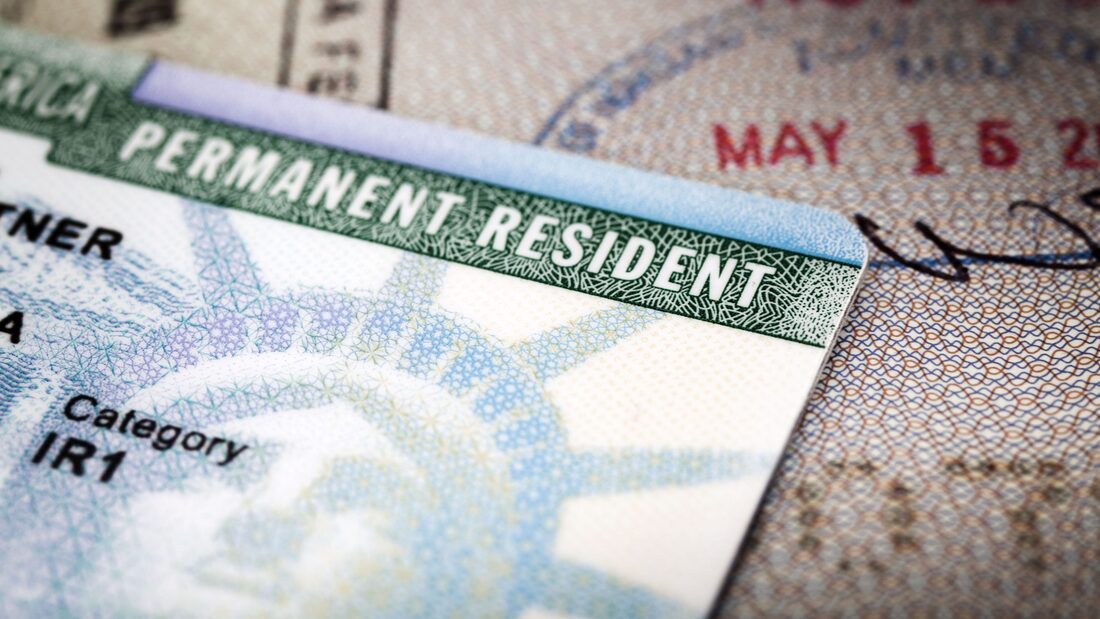 For Iranian couples seeking to obtain a green card through marriage, the process can be complicated and challenging. While marriage-based green card applications are generally straightforward, Iranian couples may face unique obstacles due to political tensions and cultural differences between Iran and the United States. In this article, we will explore five common issues that Iranian couples may encounter when applying for a green card and how to overcome them.
 The TN visa is a non-immigrant visa that allows Canadian and Mexican citizens to work in the United States in certain professions. The TN visa is an important option for many Canadian-Iranians seeking to work in the United States, providing a streamlined and relatively straightforward path to employment. In this blog post, we will provide an overview of the TN visa, its eligibility requirements, the application process, and the benefits and potential issues of the TN visa process for Canadian-Iranians.
 As one of the best immigration law firm for Persian/Farsi-speaking clients, ImmigraTrust Law understands Iranians' unique challenges when navigating the U.S. visa process. One common goal for many of our clients is to bring their fiancé to the United States. The fiancé visa, also known as the K-1 visa, allows a U.S. citizen to sponsor their fiancé to come to the United States to get married.
 In this article, we discuss the typical questions regarding fiancé visas and all you need to know when exploring a fiancé visa also known as a K-1 visa. You can feel confident and secure in applying for a fiancé visa after reading this article written by our best fiancé/K-1 visa immigration lawyers. In this guide, we cover these questions:
 Are you a U.S. citizen or legal permanent resident (green card holder) who has a girlfriend, boyfriend, fiancé, husband or wife that is abroad? If you recently got engaged, planning on getting engaged, or getting married, congratulations! You have a lot of exciting things to plan. “What is the quickest way to get my fiancé to the United States?” is probably a top question on your list. As well as questions such as “Should we get married? Is the visa for marriage better compared to fiancé visa?”
|

- Home
- 🗽TELL US ABOUT YOUR CASE
- About Us
- فارسی
- Book Online
- Reviews
-
Services
-
Visas
>
- Fiance (K-1)
- Extraordinary Ability (O)
- NAFTA Professionals (TN)
- Treaty Traders (E-1 Visa)
- Treaty Investors (E-2)
- Professional (H-1B)
- Visitors (B)
- Student (F-1)
- Intercompany Transfers (L-1)
- Religious Workers (R)
- International Organizations (G)
- Australian Professionals (E-3)
- Exchange Visitors (J)
- Cultural Exchange (Q)
- Diplomats (A)
- Trainees or Special Education Exchange Visitor (H-3)
- Journalists (I)
- Green Cards >
- Investors >
- Citizenship
- Employers >
- Mandamus Lawsuits for USCIS Delays ⚖️
-
Visas
>
- Blog
Trust in Us with Your Immigration Success! |
|
 |

|

|
|
Immigration lawyer Najmeh Mahmoudjafari, Esq. (ImmigraTrust Law) represents immigration law clients nationwide (all 50 States), globally and also in and around Orange County, including: Costa Mesa | Corona del Mar | Cypress | Fountain Valley | Garden Grove | Huntington Beach | Irvine | Los Alamitos | Los Angeles | Mission Viejo | Newport Beach | Orange | San Diego | San Francisco | Santa Ana | Stanton | Tustin | Westminster
Disclaimer
The information provided on ImmigraTrust's website is for general informational purposes only and does not constitute legal advice. Every legal situation is unique; for specific advice tailored to your circumstances, please consult with a qualified attorney. Contacting ImmigraTrust Law through this website does not establish an attorney-client relationship. Please do not send any confidential information until such a relationship has been established in writing. |
©2024 by ImmigraTrust Law.